Small Business Tips
How to Improve Cash Flow in Your Small Business

Quick answer
Profitable businesses fail from cash flow problems all the time. Here’s how to read your numbers and make practical moves that keep real cash in the business.
“Profitable on paper, out of cash in reality” is how a surprising number of small businesses die. Cash flow is the oxygen; profit is just the score. This guide walks through how to read your numbers and make concrete moves that improve cash flow in your small business.
Read your financials before you fix them
You can’t fix cash flow if you can’t see it. Two reports matter most: the profit & loss statement, which shows whether the business earns more than it spends, and the balance sheet, which shows what you own, owe, and have on hand. Improving cash flow means improving the gap between when cash arrives and when it leaves.
Shorten the time from invoice to deposit
The single biggest lever for most service businesses is how fast customers pay. Invoice immediately on completion — not “at the end of the week.” Require deposits on large projects. Offer a small discount for early payment and add late fees for late payment. Every day an invoice sits unpaid is a day you’re financing your customer’s business.
Negotiate the other side: your payables
You can also extend cash by managing what you owe. Ask vendors for net-30 or net-60 terms if you have a track record, then pay on the last day allowed rather than the first. This isn’t about being late — it’s about using the terms that already exist. Combined with faster receivables, this widens your cash window without changing your sales.
Stop funding expenses you can’t justify
Most businesses leak cash on subscriptions they outgrew, inventory that isn’t moving, and “nice to have” tooling that never paid for itself. A monthly review of expenses against your P&L surfaces these fast. Cutting a handful of $99/month tools you don’t use adds up to real annual cash.
Build a 12-week cash forecast
You don’t need fancy software for this. A simple spreadsheet projecting expected receipts and expected payments for the next 12 weeks tells you, in advance, when you’ll be tight. Forecasting turns surprises into plans. If you run seasonal or lumpy revenue, this is non-negotiable.
Use debt thoughtfully, not reactively
A line of credit is a reasonable bridge for short timing gaps — it is not a replacement for negative cash flow. If you’re borrowing to cover recurring losses, no amount of financing fixes the underlying problem. Clean monthly books make it obvious which one you’re doing; if you’re preparing to apply for a loan, getting your books in order first dramatically improves your chances.
Cash flow is a habit, not an event
Know your cash rhythm
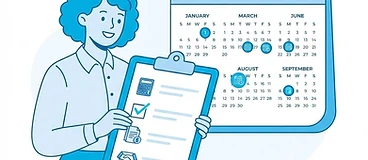
Most businesses have a weekly or monthly rhythm: payroll on a fixed day, rent on the first, a large vendor payment mid month, customer payments that arrive in clumps. Write those dates on a single calendar. When you can see that three big outflows land in the same week and receipts come the week after, you can move a vendor payment or ask a customer for an earlier invoice before the gap appears.
Check this calendar against your bank balance every week. The point is not precision. It is to notice trouble while there are still several easy options and not only one hard one.
No one-time fix solves cash flow — consistent habits do: invoice fast, collect faster, review expenses monthly, forecast ahead. That consistency is exactly what monthly bookkeeping gives you. At Mispar, we deliver clean P&L and cash-position reporting every month so you can see the gaps before they become problems. Book a call and we’ll set up the monthly cadence that keeps cash flowing.
Frequently asked questions
What is the difference between profit and cash flow?
Profit is revenue minus expenses on your books. Cash flow is the actual timing of money moving in and out of your bank accounts. A profitable business can still run short of cash if customers pay slowly.
How often should I review cash flow?
Weekly for a quick look at balances and upcoming bills, and monthly for a fuller review alongside your reconciled financial statements.
Is a line of credit a good fix for a cash gap?
It can smooth timing gaps, but it adds cost. Use it for short, predictable gaps, and fix the cause, such as slow invoicing, rather than borrowing every month.
Keep reading
Tax & Compliance
Small Business Tax Deadlines to Know (Monthly and Quarterly Checklist)
Miss a tax deadline and the penalties add up fast. This checklist covers the monthly and quarterly deadlines every small business owner should have on the calendar.

Bookkeeping Basics
A Small Business Owner’s Guide to Monthly Bookkeeping
What monthly bookkeeping really involves, why it matters, and how to make it painless — even if you’d rather do literally anything else with your time.
Written by
Moshe
Senior Account Manager, Mispar
Moshe is a Senior Account Manager at Mispar who works directly with small business owners and freelancers to keep their books clean, reconciled, and tax-ready every month.
More about Mispar